

Decorating with designer planters is booming and has become one of the most effective and elegant ways to transform any room in the home. Far from being simple containers for plants, designer planters today act as true decorative pieces that bring sophistication, color, and personality to living rooms, bedrooms, kitchens, offices, or any other indoor space.
Choosing the right planter not only enhances the beauty of your plants, but it can completely transform the atmosphere of your home, adding a touch of avant-garde, minimalist, bohemian, natural, industrial, or classic style, depending on the model you choose. If you want to know how to buy designer planters for your home, here's the ultimate and most comprehensive guide, with tips, examples, trends, and everything you need to make the right choice.

Why choose designer indoor planters?
A designer planter is more than just an accessory. It's a fusion of functionality and art . Today's planters are designed to suit any environment, withstand the test of time, and enhance the plants themselves. Among their advantages are:
- They instantly transform the decor with styles ranging from Nordic and minimalist to luxurious and artisanal.
- They allow you to personalize spaces through materials, colors, shapes and sizes, creating unique compositions.
- They favor visual harmony and well-being, since plants purify the air and flowerpots enhance them as a decorative focal point.
- There are strong and lightweight options at the same time, thanks to the use of polyethylene, ceramics, natural fibers and modern metals.
- They offer smart solutions such as Self-watering, improved drainage and easy transport to take care of both the plant and the environment.

How to choose the perfect designer planter for your home
Choosing the right designer planter for your home involves considering several factors. Each one influences both the health of the plant and the visual result. Consider the following aspects:
1. Size and proportion
The size of the pot should be in harmony with the plant and the space where you plan to place it. A pot that's too large can cause the plant to devote energy to its roots instead of growing upward; a pot that's too small can suffocate it and hinder its development.
- For small plants, choose compact pots. They're ideal for shelves, desks, and mantelpieces.
- For large specimens, look for robust and stable planters, with sufficient shape and weight to prevent tipping.
- If you have several plants, opt for combined planters, which allow you to create visually rich compositions.
2. Most used materials and advantages of each
The variety of materials is enormous and each has its decorative and functional advantages:
- Ceramics and clay: Classic, elegant, and porous, they allow air to pass through and prevent puddles from forming.
- Cement and synthetic stone: Ideal for creating an industrial or minimalist look, they are highly durable and perfect for large spaces or those with a brutalist style.
- Glass: It provides a modern and visually light look. Perfect for succulents, cacti, or plants with showy roots.
- Metal: Provides shine and lightness. Widely used in Scandinavian and industrial settings.
- Synthetic fiber, wicker, jute and cotton: Suitable for rustic, boho, or natural settings. Lightweight and eco-friendly.
- High quality plastic or polyethylene: Very light, easy to clean, and with a wide variety of finishes and colors.
Always choose the material based on the floor plan, location, and decorative style you want to enhance.

3. Color and shape
Light colors amplify the feeling of space and brightness. Dark or intense tones, on the other hand, help create focal points and contrast . Planters come in round, square, geometric, irregular, textured, smooth, hand-painted, matte, glossy, or metallic shapes. Find the combination that best suits not only your taste but also the colors and textures of your surroundings.
4. Drainage and smart systems
A key aspect is the drainage of the planter . Models with holes allow for proper water flow. If the design doesn't allow for drainage, it's recommended to place the plant in an inner pot with drainage holes and use the planter as a cover. Currently, there are smart planters with self-watering systems for those who want to reduce maintenance and the risk of waterlogging.
5. Location and decorative style
Before deciding, think about where you'll place your new planter. Some are designed for shelves, others for the floor or hanging. Choose based on:
- Available space. Take advantage of empty corners, underutilized areas, and passageways.
- Natural lightShade plants can be placed in less-lit areas with eye-catching pots.
- Decorative trendChoose from minimalist, industrial, boho, classic, or even customizable designs.
6. Ease of maintenance
Choose materials and sizes that suit your lifestyle: some planters require frequent cleaning and maintenance, while others are more durable and tolerate locations with fluctuating humidity or temperature.

Trends and types of designer indoor planters
Trends in designer indoor planters are evolving and incorporating styles from around the world. Highlights include:
- Sculptural planters: With artistic shapes, organic or geometric inspiration. Perfect for those looking for unique pieces.
- Hanging, wall and vertical models: They make the most of the space and create floating gardens full of life.
- Tall or pedestal planters: They add presence and height, ideal for hallways and large living rooms.
- Noble and natural materials: Such as wood, jute, wicker, natural stone or handmade ceramics.
- Neutral and earth colors: White, beige, stone gray, matte black, and terracotta are essential due to their versatility.
- Metallic and glass finishes: For sophisticated and bright environments.
The variety is enormous and adapts to any type of plant, from small cacti to large ficus or indoor palm trees.

Selection of designer indoor planters: recommendations and best sellers
Top 1. The best design planter for interiors
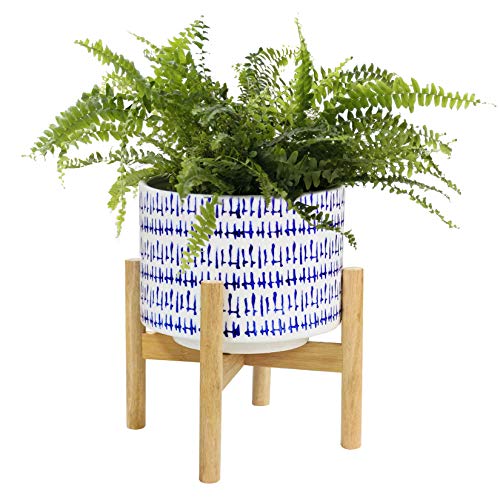
Professionals
- Stable and functional support, easy to place in any room.
- High-quality ceramics that maintains optimal humidity for your plants.
- High durability and resistance to temperature changes.
Cons
- Small size, ideal for small plants.
- It does not include a water dish, which can be a drawback on certain soils.
- On uneven surfaces it may lose some stability if not positioned properly.
Trendcool Indoor Planters

This set includes three flexible , durable plastic planters with geometric black and white finishes. They are lightweight, versatile, and can be used with both real and artificial plants. Their design fits perfectly in modern and youthful settings.
Small Decorative Pots

Pack of five 13cm pots in various colors and striped textures. Ideal for tables, shelves, and small spaces, suitable for indoor and outdoor use.
LA Jolie Muse – Set of 2 Ceramic Planters

Premium set of glossy and textured ceramic in two sizes. Both include a drain, ideal for elegant or minimalist homes.
Rivet Ceramic Planter with Iron Base
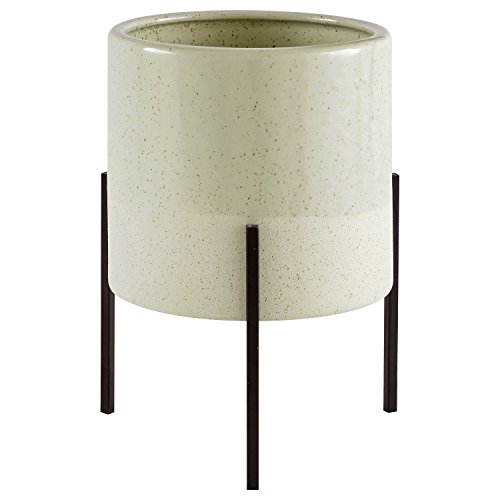
Vintage-inspired stoneware with a metal base. Iconic design with no drainage, recommended as a pot cover.
Set of 3 round hanging metal wall planters

Set for creating decorative vertical gardens , ideal for small or slow-growing plants. Includes three sizes and various colors to suit any style.

Other ideas and types of interior design planters
- Handcrafted and luxury flower pots: Handmade models made of wood, ceramic, or shells, as offered in specialty design stores. Each piece is unique and can be customized in color and finish.
- Configurable planters: They allow you to adapt size, color and layout according to the space and plant composition.
- Weatherproof models: If you need a versatile planter for both indoor and outdoor use, opt for reinforced and durable materials.
- Pots for artificial plants: There are specific, lightweight, and large designs designed to complement compositions with plants that do not require watering.
Where to buy designer indoor planters
Currently, the selection of interior design planters is vast and varied. These are the most recommended and highly rated platforms and stores:
- Amazon: Stands out for offering wide variety, easy comparison and fast deliveryIt features national and international brands, user reviews, and options for all budgets.
- Ikea: A benchmark in functional and affordable design, it offers nearly 100 models in different materials, colors, and sizes. From the most basic to self-watering options with handles, ideal for those looking for value.
- Zara Home: More select, sophisticated and elegant options, aimed at those looking for a premium aestheticExclusive models and a careful selection of natural materials.
- Portobello Street: Specialized in luxury and customizable flower potsIt offers the option to choose sizes, finishes, and colors, as well as consulting services and specialized transportation.
- LOLAhome: Covering all styles, with fast shipping and a large selection of wall-mounted, hanging, and matching plant models.
- Trends Home: Online store featuring modern planters made of high-quality glass, ceramic, metal, and natural fibers. Ideal for those looking for unique and unique pieces.
- Nordic Nest: Focusing on Scandinavian design, it offers minimalist planters and renowned brands such as DBKD and Ferm Living, with models of all sizes and finishes.
- Maxifleur: Leader in decorative planters for artificial plants, with luxurious, handcrafted models that can reach great heights and stand out in any room.
- Leroy Merlin and Beliani: Alternatives for those who need large planters or are looking for Offers and discountsThey usually update their catalogs periodically and have sturdy models for large specimens.

Ideas for decorating with designer flowerpots
There are endless ways to integrate designer planters into your home and get the most out of your plants and decor:
- Combination of heights and sizes: Place large planters on the floor and small ones on shelves, shelves, tables, or raised corners. This adds dynamism and visual depth to the room.
- Vertical gardens and green walls: Use hanging planters or structures that allow you to combine plants at different heights, ideal for small spaces, hallways, and entryways.
- Chromatic contrasts: Choose planters in colors that stand out against the walls or furniture, or play with neutral tones for a relaxing atmosphere.
- Artistic themes: There are planters in the shapes of animals, faces, sculptures, or textured finishes that become true works of art.
- Centerpieces and Zen corners: Small and medium-sized planters can serve as centerpieces on tables, desks, hallways, and bathrooms. Try succulents, herbs, and compact-growing plants.
- Plant combinations: Group pots with plants of different foliage, colors, and textures to create original and vibrant compositions.

Tips for caring for plants in designer pots
The key to making your plants look perfect in designer planters is providing them with a suitable habitat and personalized care. Follow these tips:
- Choose species that adapt to the available lightFor indoors, pothos, sansevierias, ferns, succulents, and other hardy species are ideal.
- Control irrigationIf the pot lacks holes, limit the amount of water or use self-watering systems.
- Avoid accumulating water in the base, especially in models without drainage. Use gravel or indoor pots with saucers.
- Rotate plants periodically so that they grow evenly towards the light.
- Clean the flower pots regularly, especially those made of glass, shiny ceramic, or metal. This will enhance the decor and prevent dust buildup.
- Fertilize during the growing season, especially those plants that develop or flower quickly.
- Control the temperature. Keep flower pots away from sources of extreme heat or cold.

Common mistakes when buying designer flower pots and how to avoid them
- Not taking into account the appropriate size for the plant, which prevents its proper growth.
- Choosing low-strength materials for humid or temperature-sensitive locations.
- Plant directly into pots without drainage. It is better to use indoor pots with holes.
- Neglecting the combination between flowerpot and decorative styleIt is important that they are in harmony so as not to disrupt the aesthetics of the space.

Luxury designer planters: the ultimate in customization and exclusivity
The rise in personalized decor has driven the emergence of handmade planters, in limited editions or made with exclusive materials. Highlights include:
- Planters made of hardwood, natural shells, rope, or even recycled materialsEach piece is unique, perfect for design lovers and collectors.
- Configurable options by size, color, and finish. Specialized companies offer advice and complete customization to the space you need to cover.
- Premium strength and durabilityHigh-end materials guarantee a long life, even in high-traffic or high-use areas.
Designer indoor planters offer decorative, functional solutions adaptable to any taste and need. Investing in a good planter means not only taking better care of your plants but also enhancing the decorative appeal and sense of well-being in your home. Remember to combine materials, shapes, and colors thoughtfully, highlight green spaces, and follow maintenance tips to ensure both the planters and plants remain in perfect condition for years to come.
If you want additional inspiration, visit prominent design stores, browse online catalogs, and feel free to mix and match styles: the result will always be unique, inviting, and full of life.

Table of Contents
- 1 Why choose designer indoor planters?
- 2 How to choose the perfect designer planter for your home
- 3 Trends and types of designer indoor planters
- 4 Selection of designer indoor planters: recommendations and best sellers
- 5 Other ideas and types of interior design planters
- 6 Where to buy designer indoor planters
- 7 Ideas for decorating with designer flowerpots
- 8 Tips for caring for plants in designer pots
- 9 Common mistakes when buying designer flower pots and how to avoid them
- 10 Luxury designer planters: the ultimate in customization and exclusivity